Kyiv’s cultural resistance: Culture inspiring hope, resilience and recovery
Two years since Russia’s full-scale invasion of Ukraine, we explore the role of the ‘cultural front’ in protecting heritage, documenting the war and providing hope for the future
“It is culture healing souls and giving hope in these dark times of pain”
Victoria Mukha, City of Kyiv
“Two years of full-scale war… For each Ukrainian it’s a lifetime, with every day etched in memory forever” says Victoria Mukha, Chairman of the Commission on Culture, Tourism and Communications at Kyiv City Council. “It’s not just a war to deprive our territories and freedom, but to change our identity, falsify our history and wipe out Ukrainian culture and language” she tells World Cities Culture Forum.
24 February 2024 marks two years since Russia’s full-scale invasion of Ukraine. The ongoing conflict has resulted in a tragic loss of life, immense human suffering and the displacement of millions. But the war has been about more than land, it is a struggle for cultural control too.
The City of Kyiv joined World Cities Culture Forum in 2023 and at the World Cities Culture Summit 2023 in São Paulo Kyiv spoke movingly about the ‘cultural front’. In this article we explore further how two years on Ukrainians are drawing strength from the arts, protecting heritage, documenting the war and using culture to provide hope for the future.

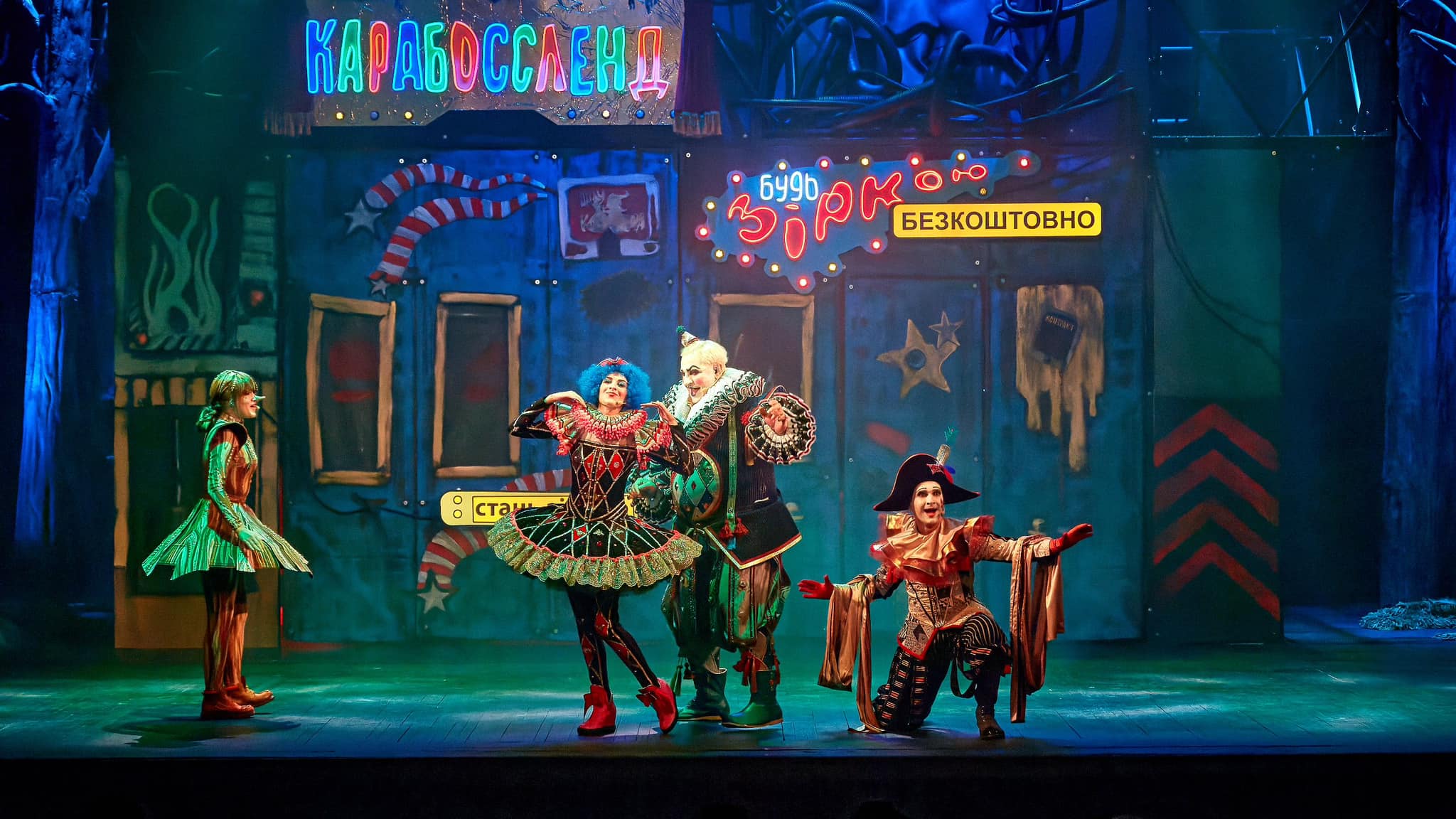
Concert halls and theatres are regularly filled to capacity, performing during blackouts, determined that the show must go on
Protecting Ukraine’s rich heritage
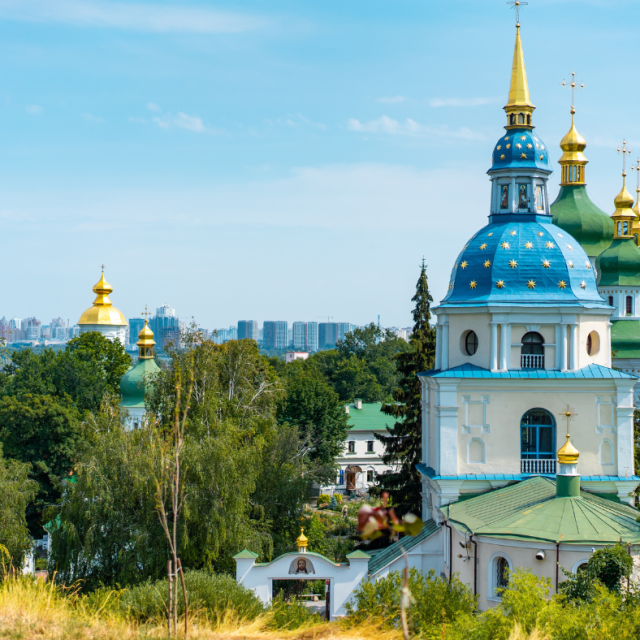
Ukraine’s cultural traditions run deep and span centuries of influential music, literature, art and creative expression. However, since the full-scale invasion Russia has tried to erase the country’s heritage and culture. Over 1,595 cultural sites are believed to have been damaged, with three UNESCO World Heritage Sites placed on the World Heritage in Danger List, as well as over 480,000 Ukrainian artworks stolen.
Cultural communities quickly came together to establish a ‘cultural front’, alongside the military front, defending Ukrainian’s right to self-determination and culture. Through collective action, cultural institutions have become hubs of resistance – organising relief efforts, preserving cultural collections and protecting Ukrainian monuments.
Digital archives play an important role in recording the war’s impact on Ukrainian culture. Kyiv’s VR Tourism platform hosts virtual tours of buildings before the invasion, and has been adapted to record evidence of their destruction. Other platforms like the Back up Ukraine app have supported citizens to create over 35,000 3D scans of cultural heritage.
Narratives of resilience
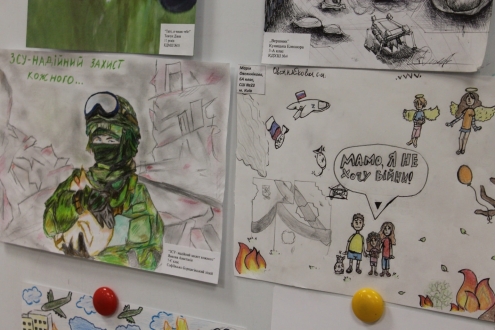
Although the war continues, many creatives have turned their attention to storytelling, both at home and internationally, to document their current struggles and ensure they are remembered in the future. For example, museums such as the National Museum of the History of Ukraine, Kyiv History Museum, Kyiv Fortress Museum, and the Maidan Museum in Kyiv have collected thousands of objects documenting the Ukrainian resistance; and the Polish Institute in Kyiv has exhibited children’s drawings as testimonies of the war.
An outpouring of support has come from abroad, bringing Ukrainian culture and storytelling to global audiences, reminding us of our shared humanity. Important elements of intangible cultural heritage such as ‘borshch’ (beetroot soup) are being recognised by UNESCO. International museums are retelling the stories of Ukrainian collections in their care, such as the National Gallery in London and the Stedelijk in Amsterdam.
Ukrainian creatives are increasingly in demand and are being showcased in international contexts, such as a new Ukrainian pavilion at Triennale Milano, and Ukrainian led documentaries such as 20 Days in Mariupol and In the Rearview winning accolades around the world, extending the efforts of the ‘cultural front’. As two years since the start of the full-scale invasion is marked, TV stations across Europe will simultaneously air In Her Car, a ten part TV Ukrainian drama series filmed entirely during the war, about a woman transporting people to safety in her car.

Towards the future: Hope and recovery
Arts and culture provide a sense of hope and progress towards the end of the war, supporting Ukrainians to imagine a future without conflict
Beyond protecting its heritage and documenting the war, cultural activities have acted as a lifeline for Ukrainians, providing comfort and escape from the harsh realities of war. Concert halls and theatres are regularly filled to capacity, performing during blackouts, determined that the show must go on. The stand-up comedy scene is growing, providing another outlet for resistance and emotional release. Cultural events continue to thrive such as the Kyiv Biennial and the alternative music festival On Time, bringing communities together and celebrating Ukrainian creativity.
“It is culture that helps us to resist and keep going. Theatres tell the story of the horrors of war, museums collect evidence of today’s history written with our blood, and libraries become places of refuge and emotional relief” says Victoria Mukha, who has been working tirelessly at Kyiv City Council to support cultural institutions and citizens impacted by war. To aid recovery and healing from the psychological trauma imposed by war, new creative therapies are being developed. This includes free art therapy at the Kyiv City Center for Folk Art and Cultural Studies, youth led film projects, and initiatives by the bereaved partners of Ukrainian soldiers.
Healing also extends to urban spaces, where citizens are reclaiming their cultural identity, removing the scars of Russian influence and highlighting Ukrainian culture. For example, over 1500 streets in Kyiv have been renamed and Russian monuments have been removed following public consultation in the Kyiv Digital app.
Arts and culture provide a sense of hope and progress towards the end of the war, supporting Ukrainians to imagine a future without conflict, where their country can heal and rebuild, with creativity thriving at it’s core. Conflict touches every part of life, from the physical environment to the human suffering and emotional trauma. But even when culture itself is under attack, it has the power to unite, heal, and inspire.
“It is culture healing souls and giving hope in these dark times of pain, losses, constant attacks and air sirens” says Mukha.
From the streets of Kyiv to communities around the globe, the resilience of culture reminds us of the power of creativity to overcome the challenges of today’s world. In the face of adversity, Ukrainian culture stands as a symbol of resilience, resistance, and recovery.
From Helsinki to Hong Kong, World Cities Culture Forum is the leading global network of 44 creative cities that believe in the power of culture to support communities, improve health and wellbeing, attract tourists and boost economies.